
A client once told us the worst part wasn’t the false post itself. It was watching it get shared by people she knew, one repost at a time, while she wondered whether she was even allowed to respond. By the time she called us, nearly three months had passed since she first saw the post. That delay mattered more than the post did, because defamation law in Pakistan runs on short deadlines, and most people only learn that after they have missed one.
If someone has damaged your reputation with false statements, here is how the process actually works, including when the statement was made on Facebook, WhatsApp, TikTok, or X.
What Counts as Defamation in Pakistan?
Defamation means a false statement, spoken or published, that harms a person’s reputation. Spoken statements are slander and written or digital ones are libel, and a social media post, a comment, or even a widely forwarded WhatsApp message can qualify.
1. The statement must be false. Truth is a defence
2. It must be communicated to at least one other person
3. It must actually harm, or be likely to harm, your reputation
4. Fair opinion and statements made in good faith on a matter of public interest are treated differently from factual accusations
The Three Legal Routes
Pakistani law gives you more than one path, and they can sometimes run together.
1. Civil suit for damages under the Defamation Ordinance 2002, which can result in an apology and compensation
2. Criminal complaint under Sections 499 and 500 of the Pakistan Penal Code, which carries up to two years of imprisonment or a fine
3. Online defamation complaint under Section 20 of the Prevention of Electronic Crimes Act (PECA) 2016, which applies where false information is shared through an information system and harms a person’s reputation, and which is now investigated by the NCCIA
Choosing the right route, or the right combination, depends on what you want. If your priority is getting compensation and a public apology, the civil route is usually the main one. If you want the post removed and the person investigated, the PECA route matters more.
The Deadlines Most People Miss
These time limits are where most strong cases quietly fall apart. Under the Defamation Ordinance 2002:
1. You must give the defendant a written notice of at least 14 days, naming the exact defamatory statement
2. That notice must be given within two months of the statement coming to your knowledge
3. After the notice, the suit must be filed within six months of the publication coming to your notice
Because these windows are short, it is worth speaking to a lawyer the week you find out, not after the situation has cooled down.

Step-by-Step: How to Sue for Defamation
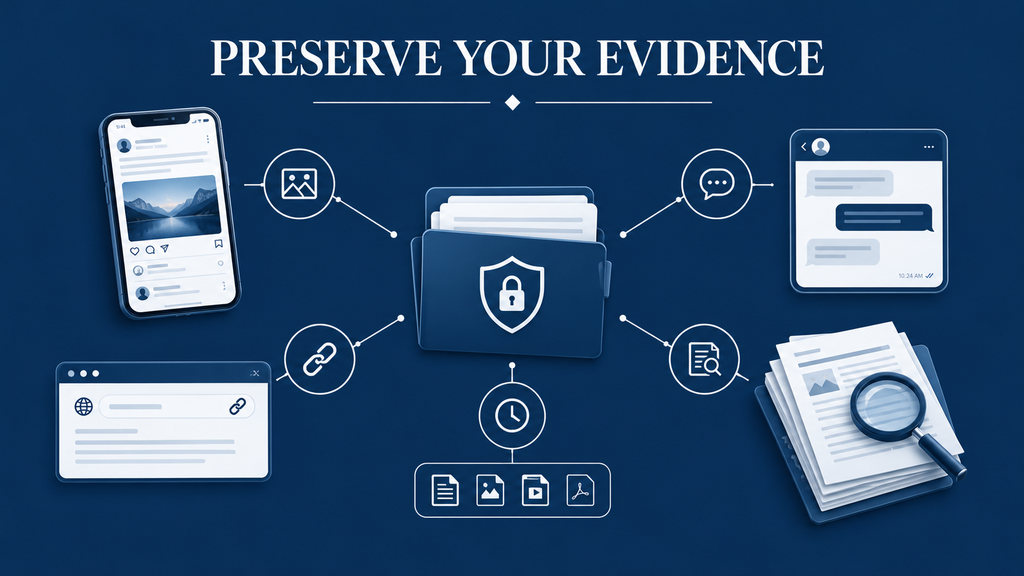
1. Preserve the evidence immediately. Take full screenshots showing the account name, date, and time, and copy the direct URL of the post.
2. Do not reply emotionally or delete anything. Angry replies can weaken your case, and deleted messages are hard to prove later.
3. Send a legal notice through a lawyer, quoting the exact words, stating they are false, and demanding an apology, removal, and compensation within 14 days.
4. File the civil suit in the proper court if the notice is ignored, claiming damages and, where needed, an injunction to stop further publication.
5.File a criminal or PECA complaint if the facts support it, especially where the content is still live or the attacks are continuing.
6. Follow through at trial. You will need to prove publication, falsity, and the harm to your reputation.
Social Media Cases: What Is Different
Online defamation moves faster and spreads wider, so the evidence side matters even more.
1. Save screenshots with timestamps, usernames, and profile links, plus screen recordings where possible
2. Copy the full, unshortened URL of the post, comment, or video
3. For WhatsApp, export the chat and keep the original device, since screenshots alone can be challenged
4. If the account is fake or anonymous, a PECA complaint allows the NCCIA to request subscriber data from the platform, which a civil court may be slower to obtain
5. Complaints to the NCCIA are filed through its official portal and require your full name and CNIC, so anonymous complaints are not accepted
For the wider picture of online offences, see our guide on cyber crime in Pakistan
What Compensation Can You Actually Get?
1. General damages under the Ordinance have a minimum of Rs 50,000, and sources report a higher minimum of Rs 300,000 where the defendant is the originator of the statement
2. Special damages are added on top if you can prove actual loss, such as a lost contract or job
3. The court can also order a public apology published with the same prominence as the original statement
4.In high-profile cases, courts have awarded far larger sums. In the widely reported Ali Zafar v Meesha Shafi case, which began with a social media allegation, the claim was Rs 100 crore and the reported award was Rs 50 lakh
Punjab also passed the Punjab Defamation Act 2024, which introduced special tribunals and a much higher presumed damages amount. It has been challenged in the Lahore High Court and its enforcement was suspended, so check its current status with a lawyer before relying on it.
A Fair Word of Caution
Defamation law sits close to free speech, and that is a real debate in Pakistan. Critics have argued that PECA Section 20 has been used against journalists and critics, while supporters say it protects people from online abuse. For you, the practical point is simple: a case built on a genuinely false and damaging statement is strong, while a case aimed at silencing honest criticism can backfire, including on costs and credibility.
Final Thoughts
Defamation cases are won on speed, evidence, and the right choice of forum. Preserve everything, do not wait, and get the legal notice out before the deadline closes. Our team handles defamation matters and related civil law disputes for clients in Pakistan and overseas. If you want an honest assessment of your situation, contact us and we will tell you whether you have a case and what to do next.